Exhibition
Presented at the Ujazdowski Castle Centre for Contemporary Art (CSW Zamek Ujazdowski) from September 23 to October 6, 2026, during standard venue opening hours, Tuning to Common Frequencies is a Polish-Korean exhibition created as part of the Digital Cultures 2026 festival. Centered on the festival’s overarching theme of "technology of closeness," the showcase brings together six works from Poland and South Korea that explore how contemporary digital tools, artificial intelligence, game engines, 3D scanning, immersive VR, sound, and scent, can foster genuine human intimacy rather than merely generate images.By combining digital simulation with analog modes of expression and the natural world, the exhibition examines what happens to the human body, collective memory, and everyday community when technology is used to mend rather than divide. The project weaves together distinct artistic practices by Yaloo, SunJeong Hwang, Ubac Studio (Hyeunjoo Woo & Jiyun Park), Kobiety Anteny (Agata Lankamer & Agata Konarska), Karolina Grzywnowicz, and Xawery Deskur. Working across similar technological frameworks, these artists deploy them toward wildly different ends: building speculative mythologies, reconstructing forgotten histories, or confronting the hidden biases built into the systems we use every day.Rather than reducing digital art to a single thesis, Tuning to Common Frequencies highlights a diverse spectrum of creative tactics for being present with one another. At its heart, this is an exhibition about the fragile, quiet effort to tune into each other in a world that so often feels divided and lonely, a gentle reminder that the very tools that isolate us can also become a meaningful space for shared encounter.
Are You Here? (Jesteś tu?)
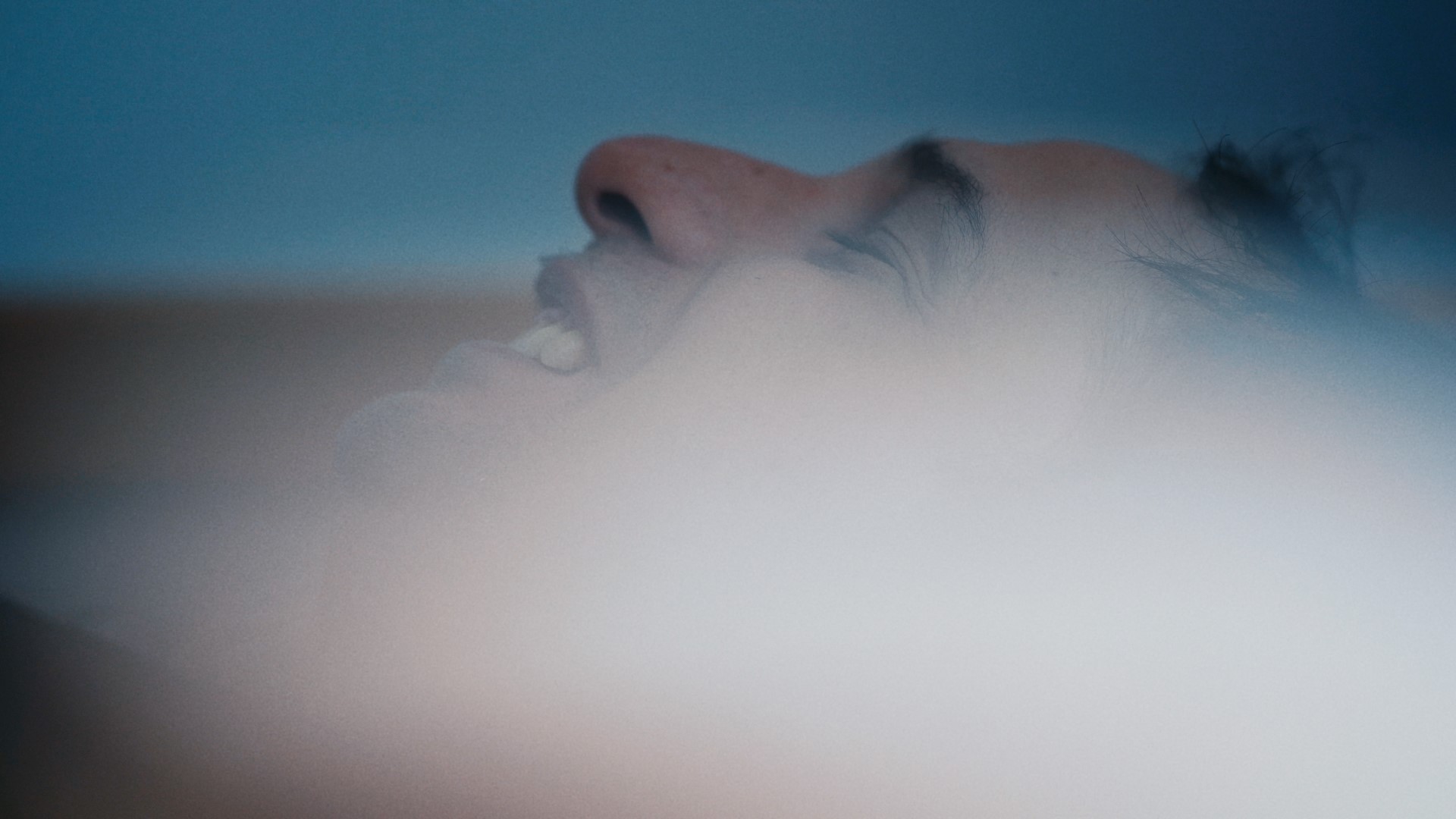
Edward Gil Deskur, aka DJ Edee Dee, was once an iconic figure in Krakow’s club scene. However, after losing his sight, his reality was plunged into darkness, illuminated only by the LED glow of artificial intelligence—a voice assistant with whom he engages in constant dialogue. The AI accompanies Edward at virtually every step, offering assistance, advice, and commentary on even the most dramatic events of his life. Out of these interactions emerges an unsettling vision of the future regarding the relationship between human and machine.
Written and Directed by: Xawery Deskur
Cinematography: Xawery Deskur, Antoni Grałek
Editing: Sandra Ksepka
Sound Design: Aleksander Musiałowski
Location Sound: Bartosz Idzi
Color Grading: Mateusz Niedźwiecki
Music Supervisor: Teresa Kruczek
Production Manager: Monika Błachnio
Producer: Zbigniew Domagalski
Production: Kalejdoskop Film Studio, Telewizja Polska, Polish Film Institute
XAWERY DESKUR
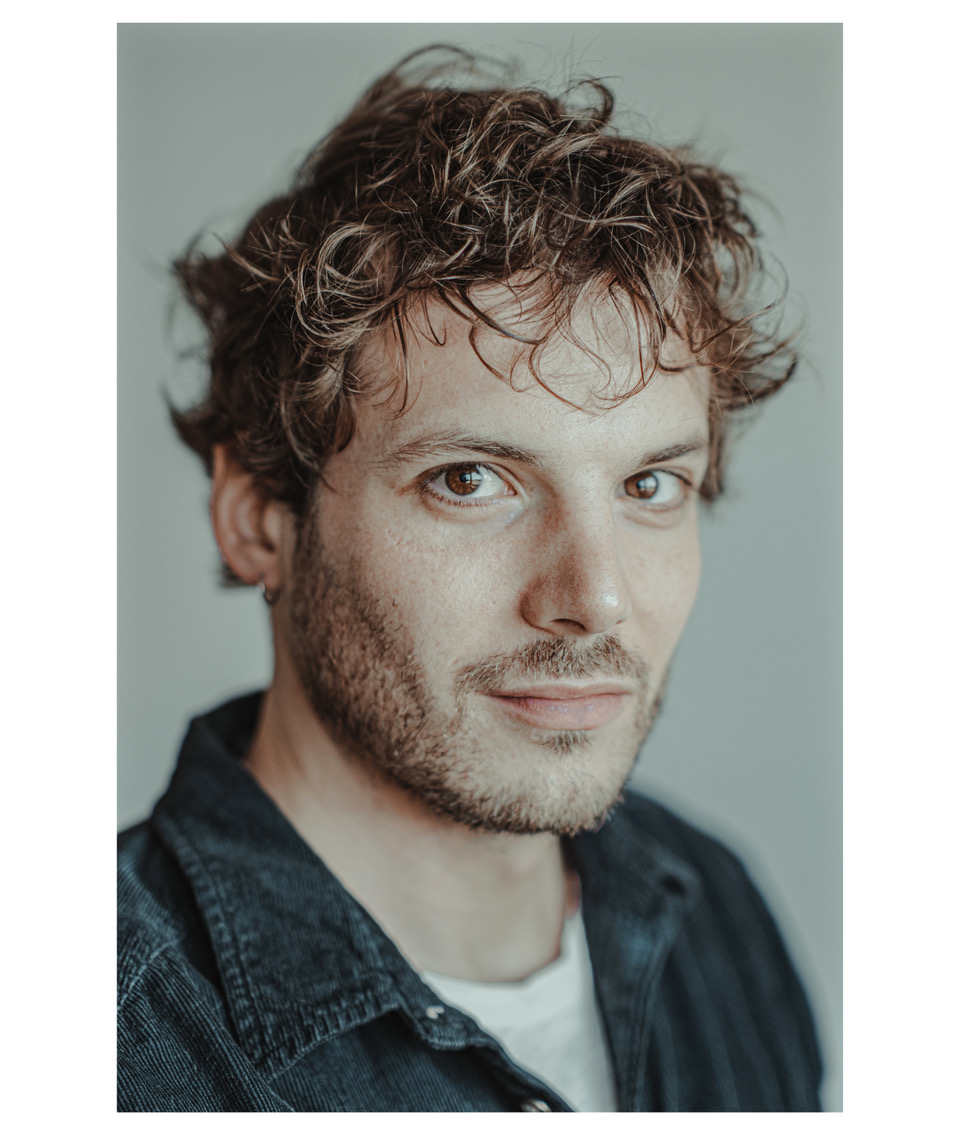
Xawery Deskur – visual artist and film director. Graduate of the Faculty of Graphic Arts at the Jan Matejko Academy of Fine Arts in Krakow (2015) and holder of a PhD in Fine Arts from the Academy of Fine Arts in Warsaw (2026). He completed the "Script" screenwriting course and the "Dok Pro" documentary filmmaking program at the Wajda School. Recipient of grants and fellowships from the Polish Film Institute (PISF, 2018), the Ministry of Culture and National Heritage’s "Young Poland" program (2021), the City of Krakow (2022), and the Adam Mickiewicz Institute's Re:Side program (2026). Winner of the Hestia Artistic Journey Award (2014) and the Chris Schwarz Award, which was accompanied by a solo exhibition at the Galicia Jewish Museum in Krakow (2022).
His sci-fi documentary Are You Here? (2023) premiered in the Polish Competition at the Krakow Film Festival and won Best Documentary Film in the Polish-Czech Competition at the Zoom – Zbliżenia Film Festival in Jelenia Góra, the Golden Award at the Heart of Europe International TV Festival & Forum in Warsaw, and Best First-Time Filmmaker at the LA Art Film Fest in Los Angeles (2025). His earlier film and video works have been presented at events including Sundance TV Shorts, Video Art & Experimental Shorts in New York (Honorable Mention), the Berlin Short Film Festival (Best Experimental Film Award), the WRO Media Art Biennale, and the Etiuda & Anima International Film Festival.
Project Shininho
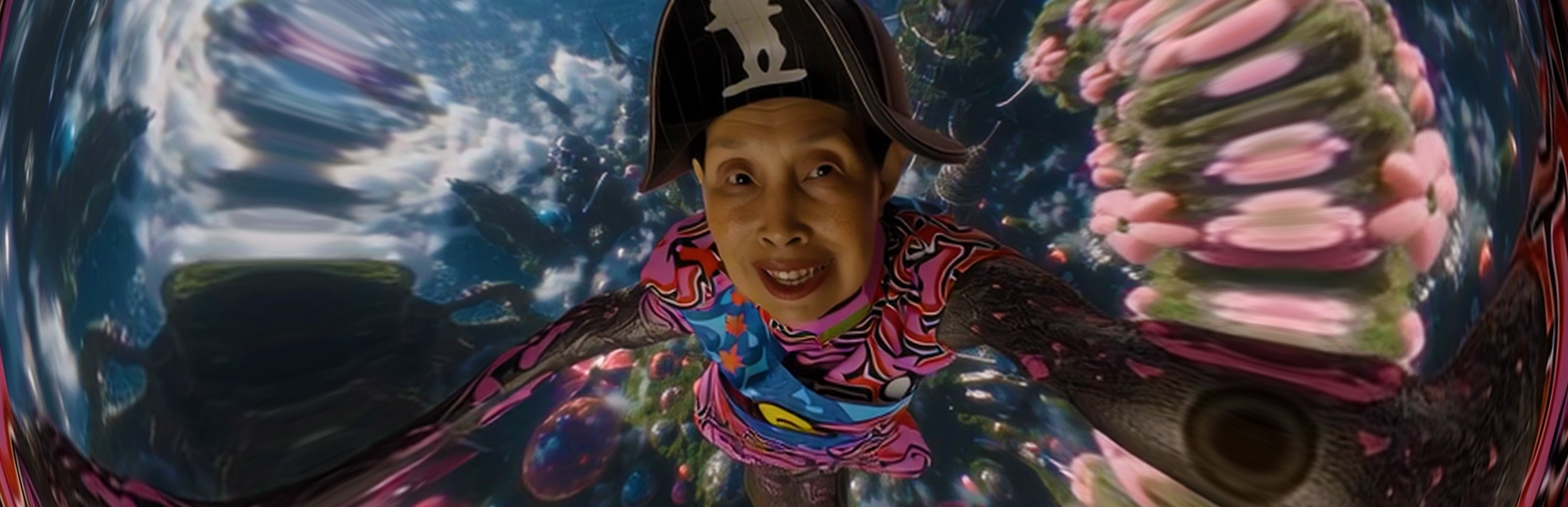
The Shininho Project is a series of video installations that explore the boundaries between memory and data, aging and technology, humans and nonhumans through the lens of maritime adventure. Inspired by Zheng Yi-So—a female pirate from East Asia—and the artist’s grandmother born in 1938, the work interweaves personal narrative with collective mythology to unfold a contemporary story that expands the borders between materiality and immateriality, visibility and invisibility.
Shininho is both the captain of a grandmother pirate ship and a K-pop idol in Meetchu Hole. Her steps up the red hill of Meetchu Hole are both wobbly and sharp, scattering time and space in their wake. In this world, the present extends infinitely, the past and future nestle within the dreams of objects, and beings do not reside within space-time—they generate it.
Rather than a single figure, Shininho embodies a collective identity and functions as a vessel for polyphonic narratives. Time in Meetchu Hole does not flow linearly; humans and objects transform into voices that articulate each other’s sensations. Through these transformations, the audience encounters a process in which memory and data form new relationships, not oppositions.
The current AI’s imperfections—its randomness, ambiguity, and hybridity—open new possibilities for the artist’s visual language. Flaws become a field for experimenting with new forms and sensations. Limits turn into material for variation and subversion, allowing the work to explore nonhuman perspectives and multi-layered temporalities.
본 작품은 인천문화제단-인천아트플랫품의 지원 및 (주)동우화인켐의 후원으로 제작되었습니다.
This work was commissioned by incheon Foundation for Art & Culture - Incheon Art Platform and supported by DONGWOO FINE-CHEM.
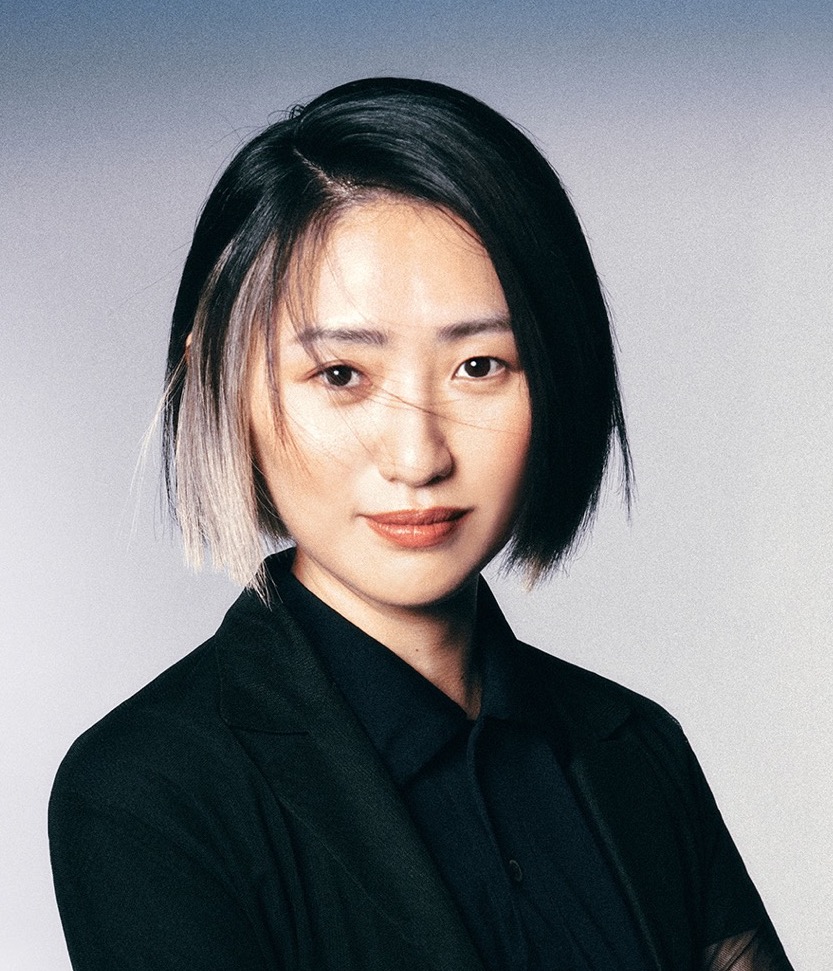
YALOO
Yaloo is a South Korean visual artist working with digital media based in Seoul and Los Angeles. She earned a BFA and MFA in video art from the School of the Art Institute of Chicago. She has been selected for fully funded international residencies, such as the Fukuoka Asian Art Museum in Japan; Western Front and La Bande Video in Canada; the Headlands Art Center and Bemis Studio Art Center in the US; Zer01ne and Asia Culture Center in Korea; and Pier 2 Art Center, Taiwan as part of Geofiction. She has participated in numerous exhibitions and screenings around the world. She was awarded a Lyn Blumenthal Memorial fellowship by Video Data Bank and won a Gold Prize in visual arts from the AHL Foundation in New York. She is a recent Gyeonggi MoMA & IBK Young Artists Award Winner and completed a solo exhibition at Gyeonggido Museum of Art, Korea. She is a full-time faculty at the department of Experimental Animation at the California Institute of the Arts (CalArts).
LoRa
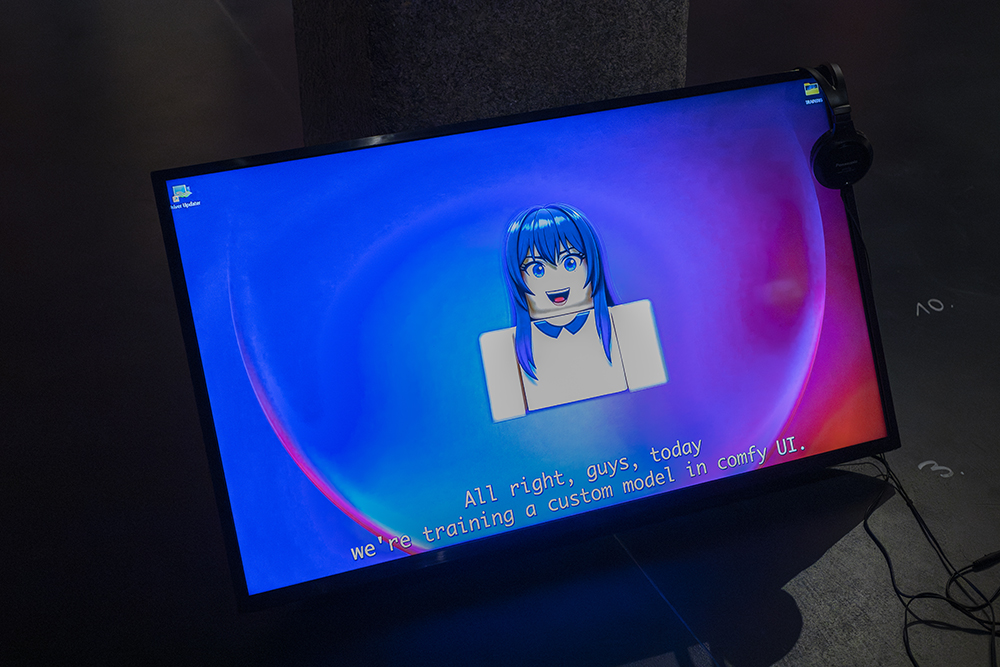
LoRa is an art project addressing the phenomenon of cyberviolence in the age of AI. The title refers to generative models and the name evokes associations with the names of characters from pornographic films, pointing to the sexualization and objectification embedded in digital culture.
The project juxtaposes medieval torture devices with contemporary forms of digital violence such as deepfakes, public shaming, and online harassment. Historical instruments of punishment such as shame masks and devices used for public humiliation did not only inflict physical pain but were designed primarily to
shame individuals in public, often targeting women accused of sexual misconduct. The project suggests that similar mechanisms persist today in digital environments. Violence has become more ephemeral and less visible, yet it continues to reproduce comparable structures of control and humiliation. The work also draws on contemporary forms of “entertaining cruelty” present in internet culture, including viral challenges and disturbing or absurd content circulated for amusement. Within this context the project examines how artificial intelligence technologies, especially open source tools and knowledge shared on online forums, enable the production of manipulated images including pornographic deepfakes.The installation consists of hybrid objects that combine the forms of medieval torture instruments with the aesthetics of contemporary technological devices. Smartphones or tablets
embedded within these structures display videos generated using AI tools and MetaHuman technology. Visually the project contrasts raw metallic sculptures with animated imagery inspired by anime aesthetics and visual materials derived from generative model libraries. Drawing on Michel Foucault’s reflections on
systems of surveillance and punishment and on Freudian psychoanalysis, the project examines the relationship between power, representation, and the body. LoRa raises questions about how emerging technologies reshape our understanding of intimacy, sexuality, and violence, and how tools with immense creative potential can be distorted and used to produce dehumanizing and sexist representations.
photo: Alicja Kielan
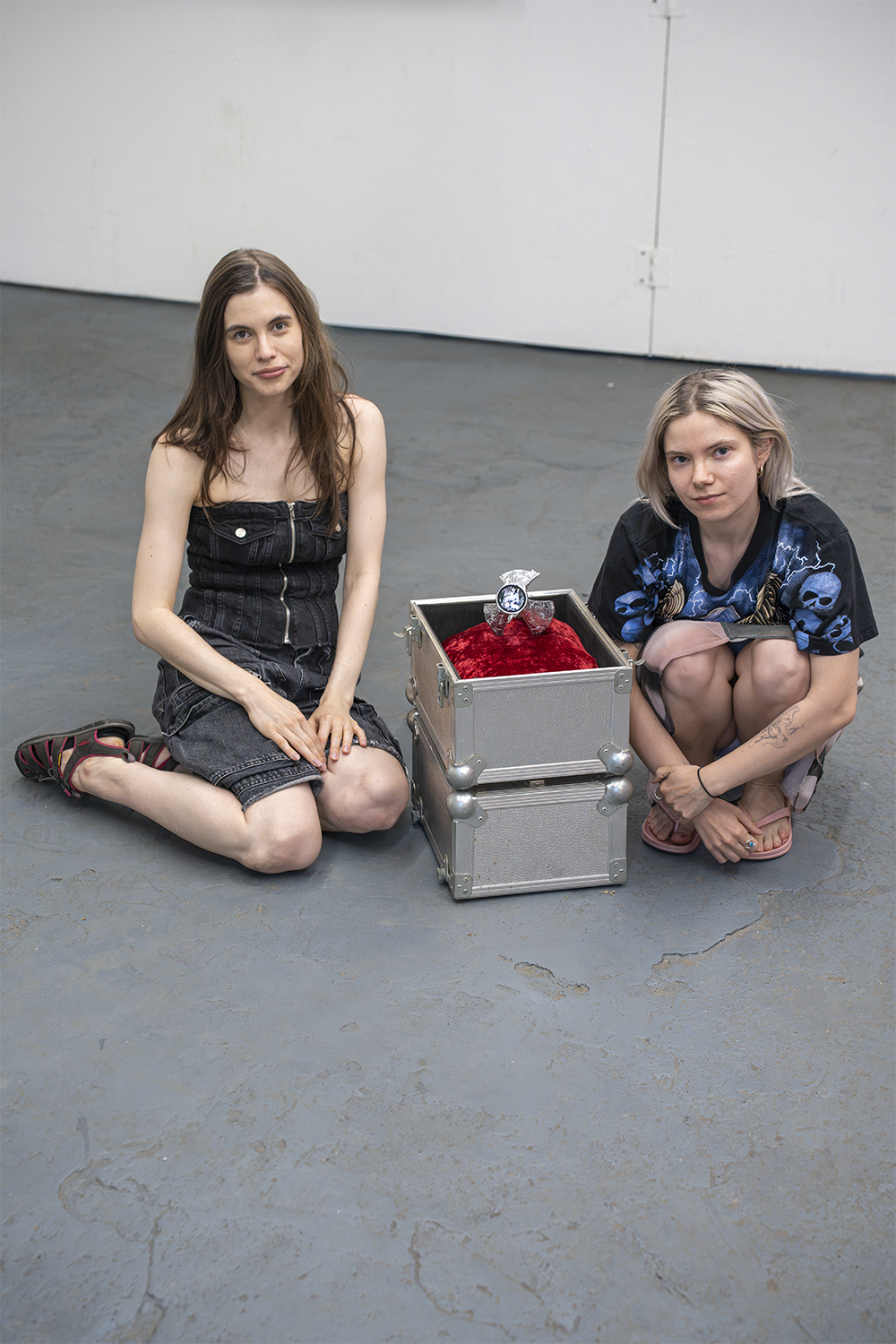
WOMAN-ANTENNAS – AGATA KONARSKA & AGATA LANKAMER
Woman-Antennas is an artistic duo formed by Agata Konarska and Agata Lankamer, active since 2021. Their collaborative practice combines interests in posthumanism, new technologies, science fiction, and esotericism. The artists primarily work within digital art, creating video installations, immersive environments, and gaming experiences that often incorporate elements of performance and narrative. Both graduated from the Media Art department at the Academy of Fine Arts in Warsaw in 2023.
The duo has presented their work, among others, at panke gallery in Berlin (2026), KRUPA Art Foundation in Wrocław (2026), Jak zapomnieć gallery in Kraków (2025), the Ujazdowski Castle Centre for Contemporary Art in Warsaw (2024), G99 gallery in Brno (2024), Rondo Sztuki in Katowice (2024), and Studio BWA Wrocław (2023). In 2023, they also carried out the curatorial project Pursue the Sandy Tails as part of a residency at A&O Kunsthalle in Warsaw. In 2026, they plan to present the projects LoRa and Digital Angels, which they are currently developing.
Walking through Underwater Meadows
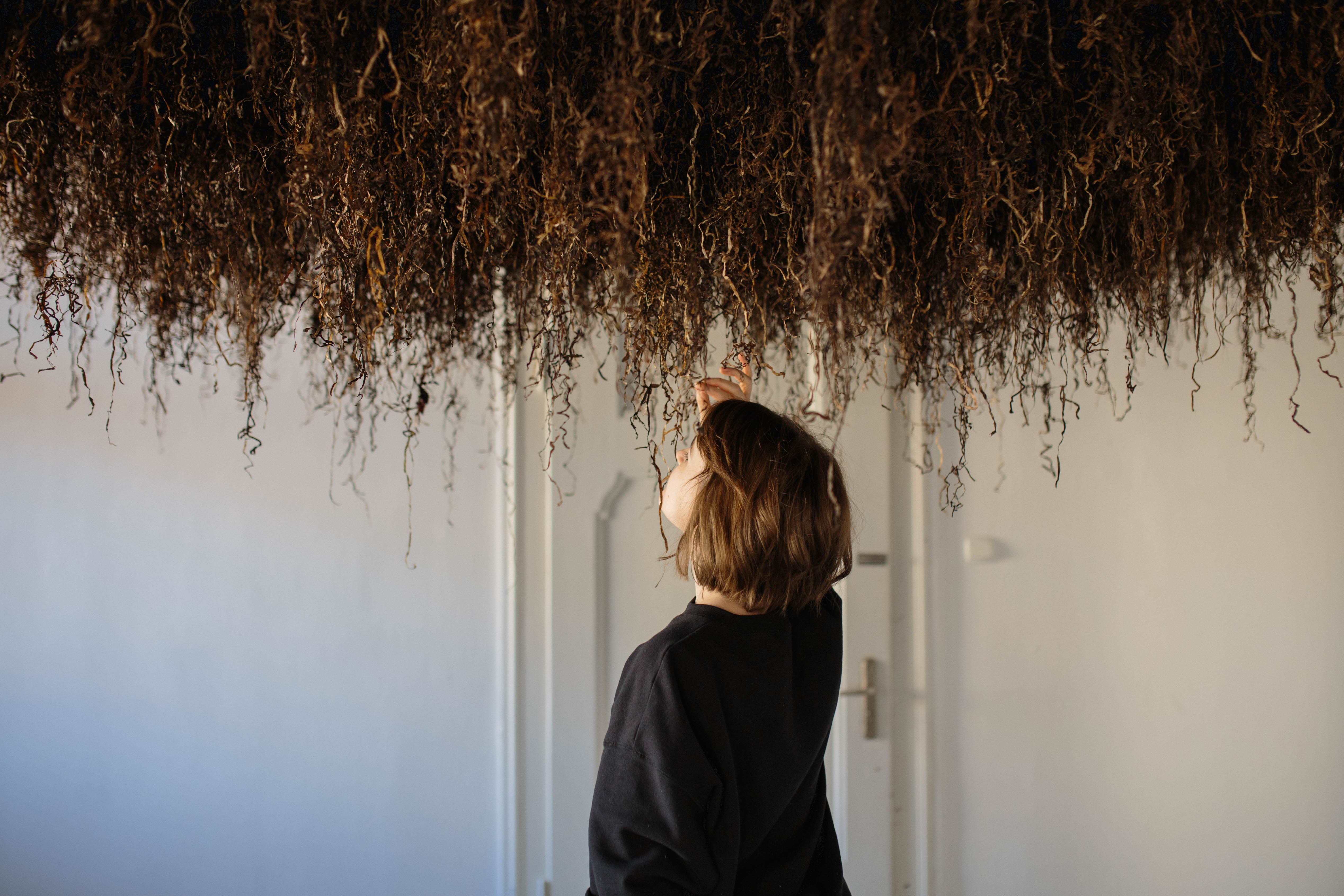
Walking through Underwater Meadows is an olfactory installation that draws on the scent-related history of the Psychiatric Hospital in Rybnik. It began with a need to learn how smell could offer space for healing and quiet forms of connection within an environment shaped by isolation and institutional routines.
Although scents were never formally incorporated into therapy at the hospital, they nonetheless played a subtle therapeutic role. Until the late 1990s, mattresses filled with seagrass were produced on the hospital grounds. Warmed by body heat, the seagrass released essential oils known for their calming and soothing properties, helping patients fall asleep more easily.
Underwater Meadows is first and foremost a work about loss — a loss tied both to the past and to the future, shaped by mourning, grief, and practices of individual and collective remembrance. It emerged from a personal loss — the death of the artist’s closest friend. The installation grew out of a refusal to contain grief within the static, finite form of a sculpture. Instead, it remains unstable, fragile, and constantly changing, allowing its material condition to mirror the labour of memory itself, as well as the impossibility of ever fully reconciling oneself with the loss of someone deeply loved.
At the same time, the work is also a lament for a lost future. Seagrass meadows are among the oldest and most important marine ecosystems on Earth. They provide shelter, breeding grounds, and nourishment for countless marine organisms, while also stabilising sediments and filtering water. They are also among the planet’s most efficient carbon sinks, capable of storing enormous amounts of carbon for centuries. Yet these fragile ecosystems are increasingly threatened by global warming and water pollution. In the Baltic Sea, underwater meadows once spread across areas such as the Bay of Puck; today, most of them have disappeared. Once widely used as a local raw material — for example in upholstery and mattress production — seagrass has largely vanished from everyday life together with the ecosystems from which it came. In this sense, Underwater Meadows approaches seagrass not only as a material, but also as a living archive of disappearance.
The work also draws from mourning rituals and funeral traditions from Central and Eastern Europe, the Baltic region, and Germany, in which plants and organic materials functioned as mediators between presence and absence. Woven grasses, branches, wreaths, and other fragile vegetal forms were suspended in spaces of transition — near homes of the deceased, along processional routes, in chapels, or during seasonal rituals devoted to the dead — where they acted as temporary markers between the worlds of the living and the dead. In many of these traditions, mourning was grounded in repetitive gestures performed collectively: weaving, binding, hanging, and remaining together with materials that moved with air currents, slowly decayed, and transformed over time. In this sense, the act of making itself became a form of vigil — a quiet practice of endurance through which grief could be shared rather than resolved.
photo: Alicja Lesiak, Zosia Paśnik
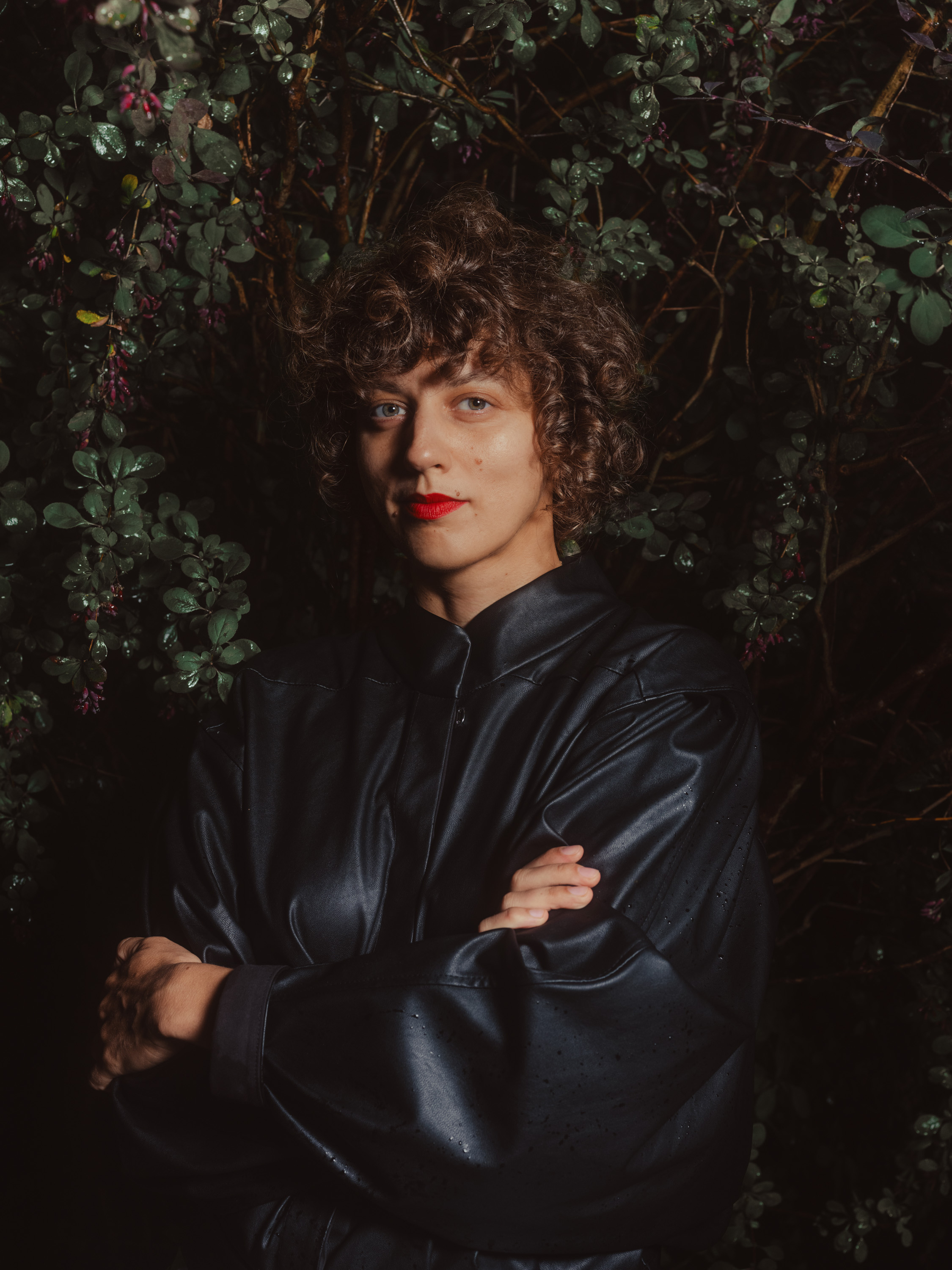
KAROLINA GRZYWNOWICZ
Karolina Grzywnowicz is a visual artist working at the intersection of contemporary art, research, and activism. Her practice often engages with plants, animals, and bodies in social and political context, often of a violent nature. She is interested in the practices of weak resistance, everyday activities, seemingly unnoticed gestures that have the power to resist oppression. For the past couple of years, she has been exploring smell as a tool of resistance and healing, and as a medium for communication and storytelling. Her methodology involves collaboration with specialists across disciplines – scientists, local communities, and refugees – to allow for a space of interaction and exchange of knowledge. She creates situations and interventions, working across installation, sculpture, and film.
Her work has been presented at Akademie der Künste der Welt (Cologne, DE), Hellerau – Europäisches Zentrum der Künste (Dresden, DE), Museum of Modern Art in Warsaw (PL), Zachęta National Gallery of Art (Warsaw, PL), and The Indian Museum, Kolkata (IN). In 2024, she was a CEC ArtsLink Fellow in New York and Chicago, with a solo exhibition at Watershed Art & Ecology, Chicago. She has held residencies at Akademie Schloss Solitude (Stuttgart, DE), CCA Ujazdowski (Warsaw, PL), Ramallah (PS), Pondicherry (IN), and Tokyo Art and Space (JP). She received the Special Prize at the 2022 Warsaw Gallery Weekend for the project Distillates. She has also been awarded scholarships from the Berlin Senate and the Polish Ministry of Culture for 2025. She holds a degree in Comparative Literature.
VOOOOOO—PEEEEEE—

"Voooooo—Peeeeee—" is a multisensory XR installation thatexplores the profound intersection of the physical body anddigital data. The work follows a compelling narrative about awoman who discovers her body has become hollow after beingreconstructed as data. A strange, mysterious creature settleswithin this void, breathing in rhythms of expansion andcollapse, accompanied by the sound of rushing wind. Hermonologue seamlessly weaves through memories of humanloss, submerged data clouds, and endlessly replicated virtualworlds.Audiences engage with the work not just visually and aurally,but physically. Through VR cinema combined with a custom-designed pneumatic wearable interface, participants actuallyfeel the expanding virtual volume as pressure and breath ontheir own bodies.

UBAC STUDIO – WOO HYEUN JOO & PARK JI YUN
Ubac Studio is a media artist duo based in Seoul, composed of Hyeunjoo Woo and Jiyun Park. They specialize in creating XR-based interactive installations and sensory interfaces that question how technological systems shape human experience. By blending real-time audiovisuals, virtual reality, and physical computing, they explore the "voids" and omissions left behind by digital data, transforming them into participatory environments. Their innovative transmedia works have been showcased at prominent global platforms, including the Asia Culture Center (ACC), Ars Electronica, the Powerhouse Museum, and most notably, their recent selection for the prestigious Immersive Competition at the 2026 Cannes Film Festival.
TANHAMU SENSOTALIUM

"Tanhamu Sensotalium" is the latest iteration of the artist'slong-term project exploring fungal network systems andsymbiosis within the "wood wide web." The work is groundedin a fascinating speculative narrative: in the year 2058,humanity merges with fungal mycelium to create a new hybridspecies, "Tanhamu," capable of deeply sensing the Earth's vitalflows.In practice, the installation acts as an interface connectingadvanced technology with living nature. Custom electroniccircuits connect with plants and microorganisms, translatingbiological signals in real-time into a mesmerizing audiovisualenvironment. It is an innovative work that moves beyondanthropocentric perspectives, questioning the future ofmultispecies coexistence amidst climate change.

SUNJEONG HWANG
Sunjeong Hwang (b. 1989) is an acclaimed contemporary artist and new media composer based in Berlin and Seoul. In her practice, she explores the organic interconnections between humans, nature, and technology. By synthesizing artificial intelligence, generative coding, data systems, and custom electronic circuits, she creates innovative, multisensory environments, installations, and audiovisual projects. Hwang was a finalist for the 23rd SONGEUN Art Award and a resident at the prestigious Transmediale 2025. Her works are regularly exhibited at leading art institutions in South Korea, such as the Seoul Museum of Art (SeMA) and the Buk-Seoul Museum of Art.
Past editions